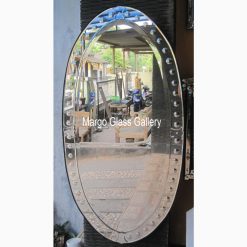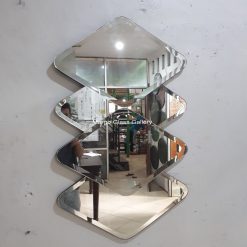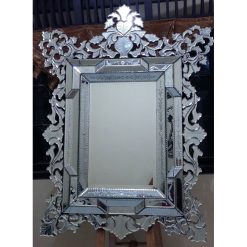
In contemporary pop culture, the Antique Mirror has evolved into a powerful visual language. It is no longer merely about remembering the past, but about how modern generations interpret identity, emotion, and the increasingly accelerated rhythm of life. Amid a digital landscape that is instant and relentlessly new, people are paradoxically turning backward seeking the texture of time, traces of history, and a visual stillness that feels more honest. Why do old aesthetics feel so relevant today? Because nostalgia offers an emotional pause, a reflective space within the noise of modernity.
This phenomenon is evident across music, fashion, film, and visual interiors shaped for social media. Objects marked by age have become triggers of collective memory. Among them, antique mirrors occupy a distinctive position: they reflect reality while simultaneously distorting time. Their imperfect reflections create layered meanings visual depth that contemporary pop culture increasingly values.
Modern pop culture no longer celebrates novelty alone; it values visual sincerity. Overly polished aesthetics often feel cold and impersonal. This is where the Old Antique Mirror finds its renewed relevance. Patina, natural oxidation, and softened reflections introduce an emotional warmth that feels profoundly human.
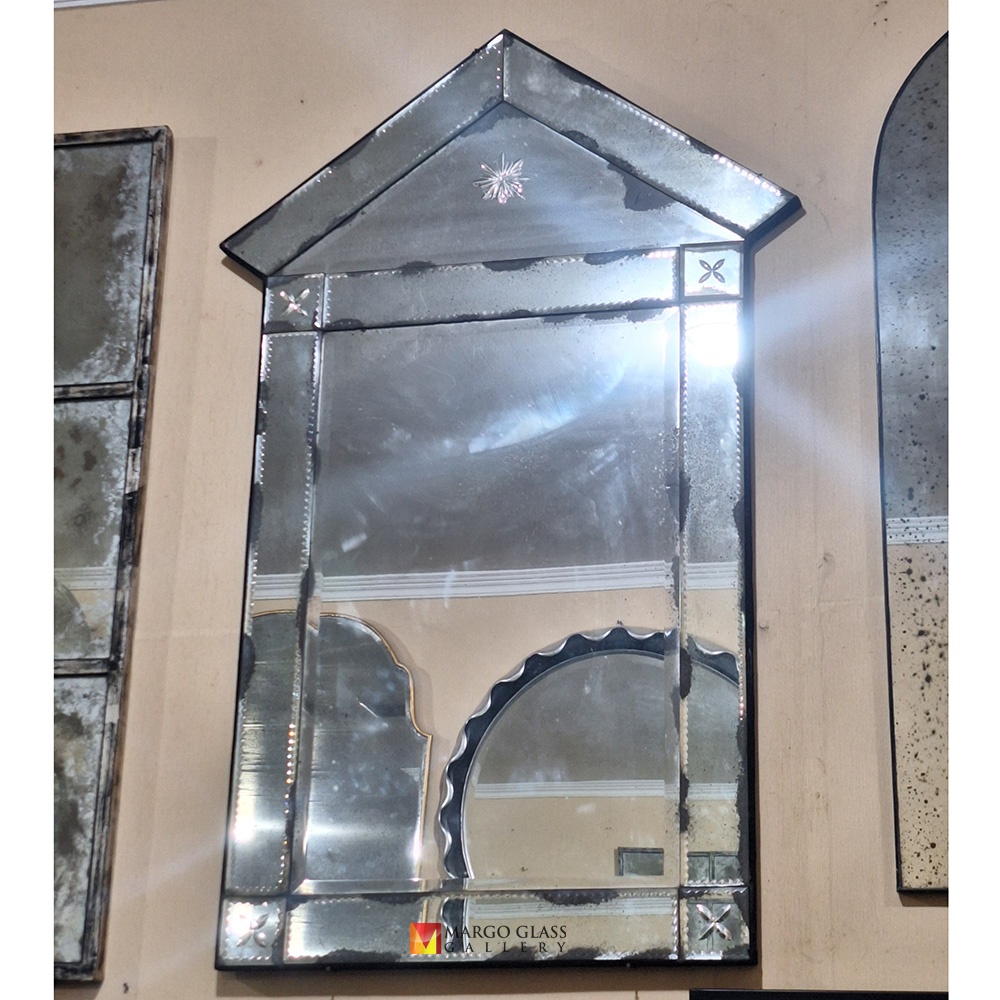
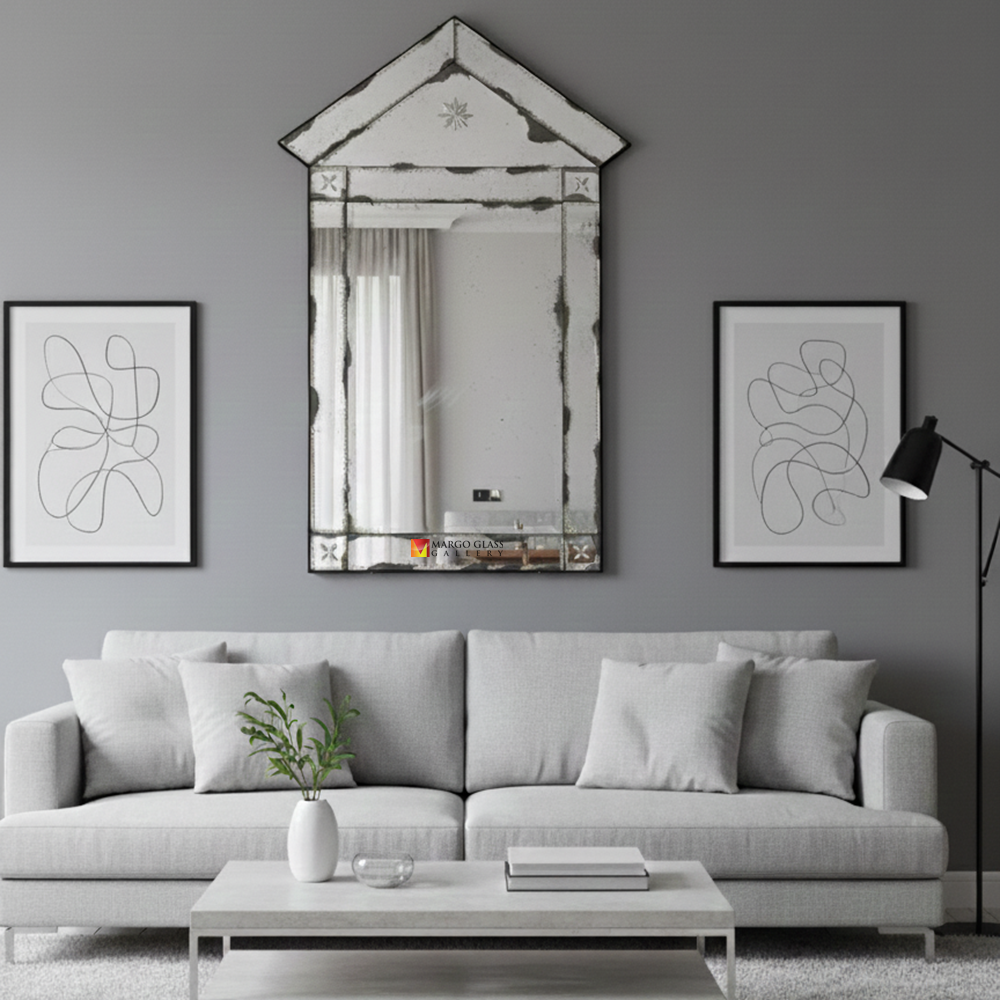
Placed within modern spaces, antique mirrors with architectural detailing and vertical proportions create compelling contrast. An Antique Mirror Modern does not resist the present it bridges the past and the now. Isn’t it precisely this dialogue across time that makes contemporary visuals feel alive and authentic?
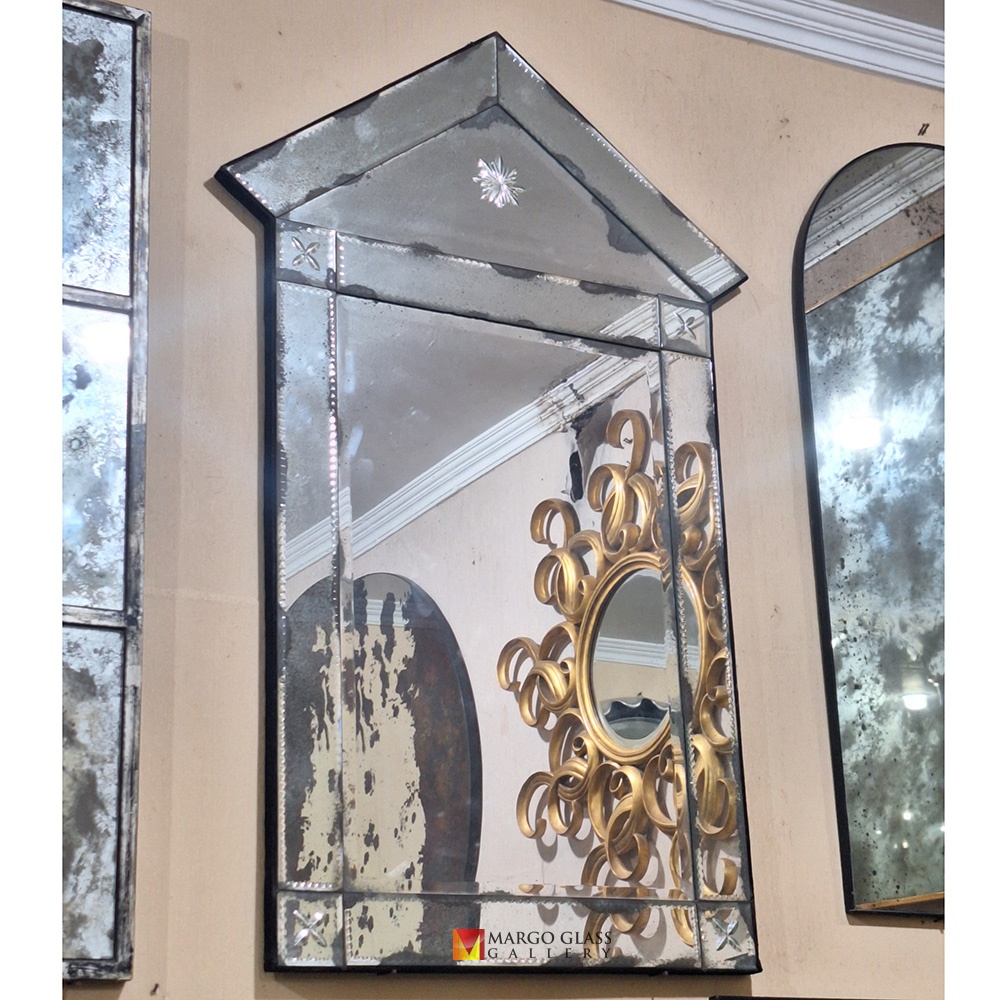
In the visual language of contemporary music videos, nostalgia has become increasingly dominant. Many artists employ antique mirrors as symbols of introspection, fragmented identity, or temporal transition. A Vertical Antique Mirror, with its elongated silhouette, amplifies emotional expression stretching reflections and intensifying dramatic presence.
The softened distortion of an antique mirror introduces a cinematic quality unattainable through modern reflective surfaces. Visual imperfections become metaphors for longing, vulnerability, and the search for meaning themes deeply resonant with today’s audiences. Is this merely an aesthetic choice, or a more honest emotional language?
The fashion and editorial worlds reflect the same sensibility. Shoots inspired by heritage, vintage revival, and old-money aesthetics frequently position antique mirrors as central visual elements. Models do not simply gaze at their reflections; they engage in a silent dialogue with themselves.
An antique mirror with balanced proportions such as a 131 cm x 83 cm format functions as a visual anchor without overpowering the frame. Its silver-gray tones and Antique Effect Mirror surface soften the image, contrasting elegantly with contemporary fashion. Within a single composition, the past and present coexist seamlessly.
Social media has accelerated the spread of nostalgic aesthetics. Feeds defined by gentle light, aged textures, and muted reflections have come to symbolize the “old soul” lifestyle. Antique mirrors play a crucial role in shaping this atmosphere. Their softened reflections create intimacy inviting viewers to pause rather than scroll.
Content creators often use an Antique Effect Mirror to communicate quiet rituals, slower living, and heightened self-awareness. Is this an escape from an overly accelerated world, or a conscious redefinition of visual comfort by a new generation?
Interestingly, nostalgia within pop culture can also be read as a form of resistance. In an era dominated by uniform digital imagery, choosing an antique mirror is a statement of individuality. Mirrors crafted with 5 mm thick antique-effect glass, supported by 18 mm plywood frames with black finishes, affirm values of craftsmanship and durability.
Imperfect reflections reject sterile perfection. Isn’t it precisely imperfection that allows objects to feel alive, soulful, and deeply personal?
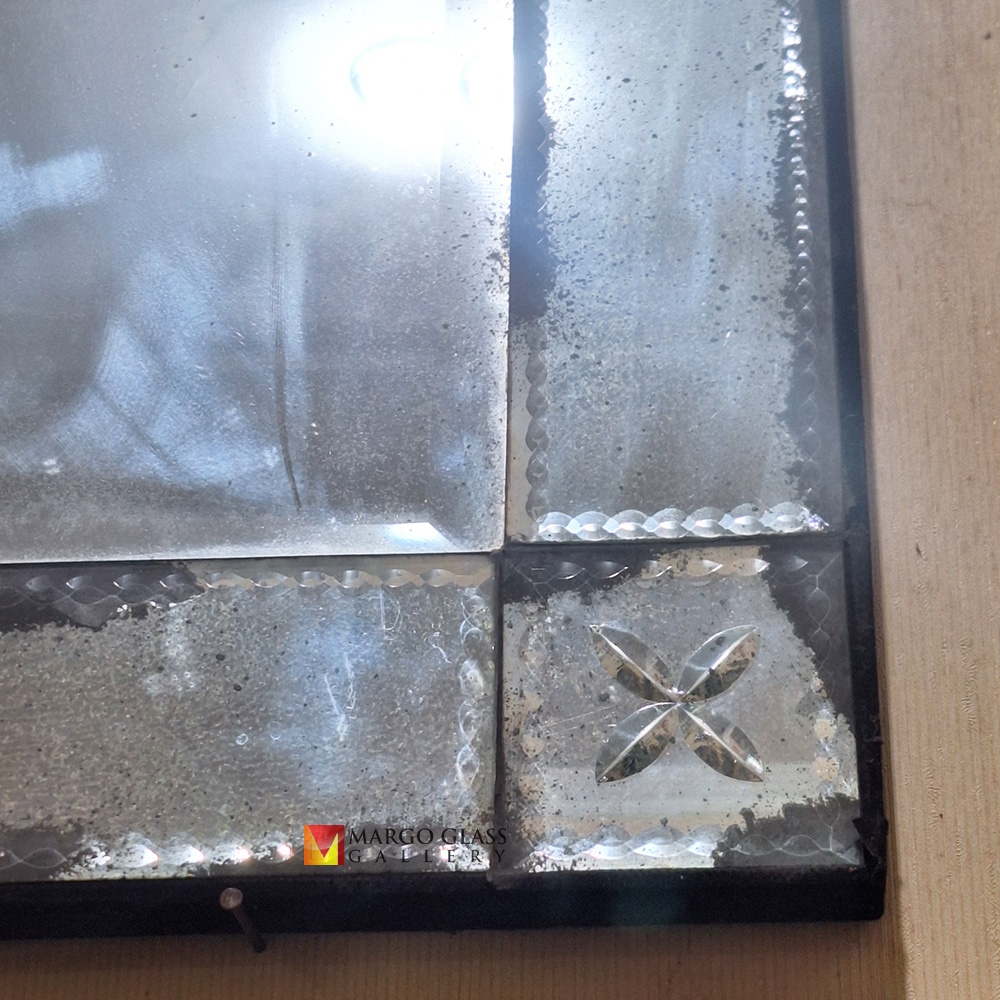
Today’s visually driven generation is no longer drawn to loud luxury. Instead, they seek meaning that whispers. A Vertical Antique Mirror with classical architectural lines offers a contemplative visual experience. Each reflection becomes a dialogue between self, space, and time.
In creative studios, galleries, and personal interiors, antique mirrors serve as narrative devices rather than mere decoration. They participate in storytelling layered, intentional, and emotionally aware.
Ultimately, antique mirrors remind us that looking backward does not mean falling behind. Through reflections of the past, we gain clarity in the present. Within a constantly shifting pop culture landscape, nostalgia acts as an emotional anchor and antique mirrors become its most honest medium.
As an Antique Mirror Supplier, we understand that every mirror carries a story, an identity, and a visual language of its own. Through quality materials, authentic detailing, and an understanding of timeless aesthetics, we present antique mirrors designed for today’s visual culture.
Because isn’t a meaningful space one that connects the past, honors the present, and offers direction for the future?
By : Wulan
We are a leading manufacturer and wholesaler of Venetian mirrors in Indonesia. With our commitment to elegant design, superior quality, and competitive prices, we cater to individuals, wholesalers, and even large-scale projects such as hotels.
Whether you need advice on designs or sizes, feel free to consult with us. Let us be your reliable source for exquisite Venetian mirrors.