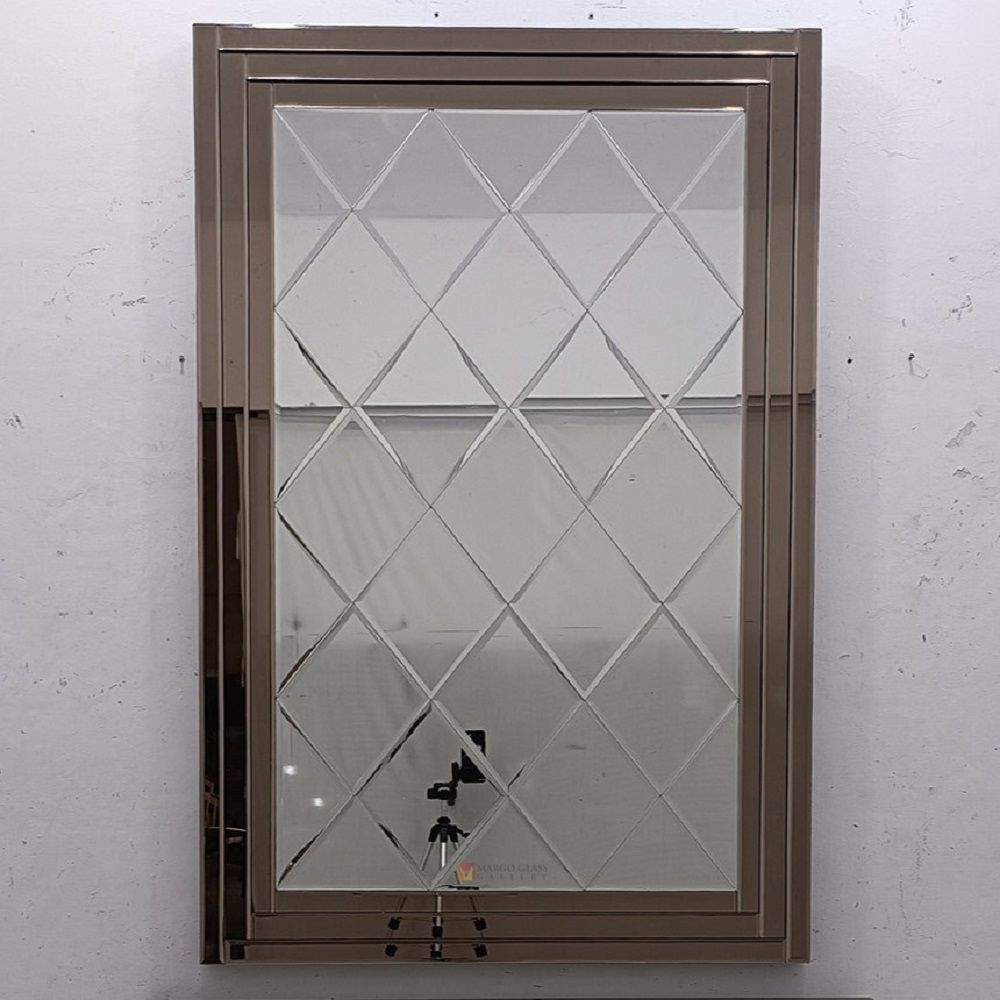
While flat mirrors show a simple reflection, Decorative Convex Mirrors create illusions that surprise and entertain. Convex and concave mirrors bend light in different ways, making objects appear larger, smaller, or even upside down. Convex and Concave Mirrors also have practical uses in science, safety, and technology. Understanding how they work can help us appreciate both the magic and the science behind them.
A World of Distortion
Many people first experience convex wall mirrors in funhouses at amusement parks. These mirrors are often shaped to exaggerate features, stretching or shrinking reflections in silly ways. A convex mirror makes you look shorter and wider, while a concave mirror can make you look taller or even turn your reflection upside down. This happens because convex mirrors spread light outward, while concave mirrors focus light inward. The laughter and amazement these mirrors create are just a small part of their importance in our daily lives.
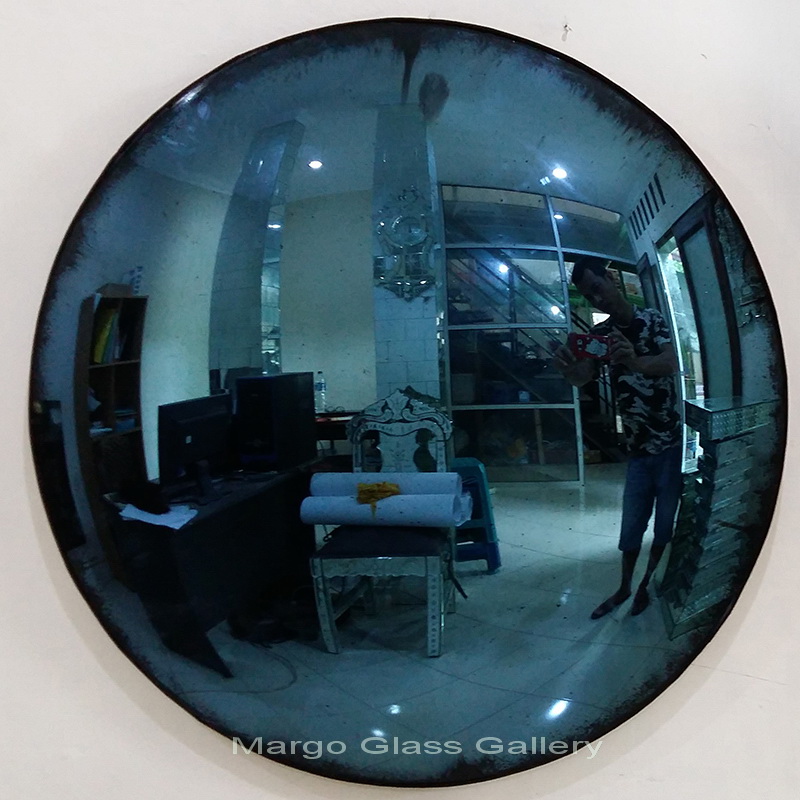
Convex Wall Mirror Antique Blue Allegra MG 050007
Convex Mirrors: Seeing More with Less
Convex mirrors are curved outward, allowing them to reflect a wider area than flat mirrors. This makes them useful in places where people need a broader view, such as in store security cameras or on the side of vehicles. Convex Round Mirrors help drivers see blind spots and prevent accidents on the road. They are also used in hallways, parking garages, and supermarkets to improve visibility. Because convex mirrors make images appear smaller, they help people see more in one glance, making them valuable tools for safety and security.
Concave Mirrors: Bringing Light into Focus
Concave Wall Mirrors curve inward, collecting and focusing light in one place. This is why they are used in telescopes, headlights, and even shaving mirrors. In telescopes, concave round mirrors gather distant light from stars and planets, making space exploration possible. In car headlights, they direct light forward to improve visibility at night. When used in makeup or shaving mirrors, they magnify details, making it easier to see small features. Concave mirrors show how science can turn simple reflections into powerful tools for discovery.
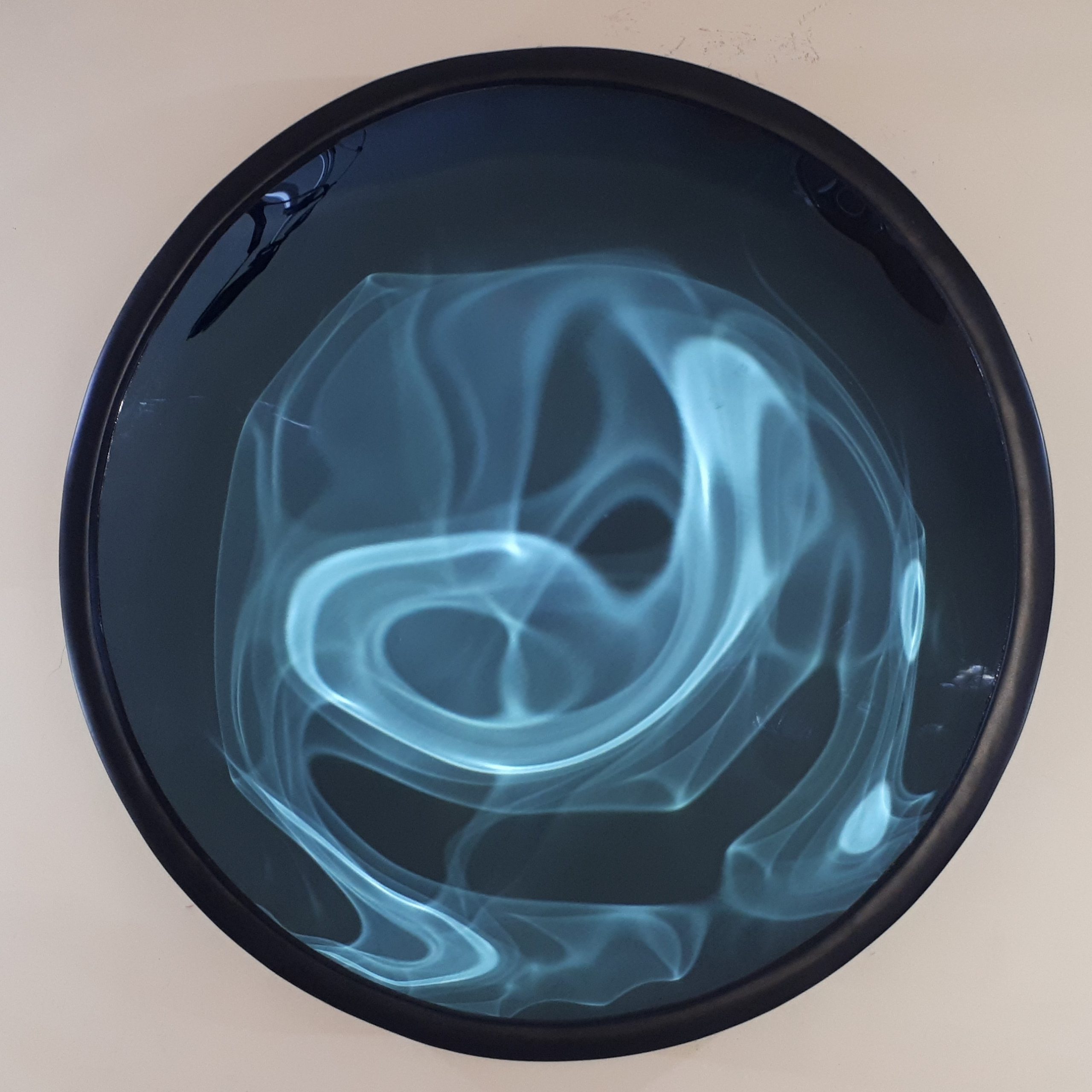
Concave Round Wall Mirror Blue
The Science Behind the Curves
The way convex and concave mirrors work is based on the principles of reflection. Light bounces off the mirror’s surface at different angles, depending on its shape. In a convex mirror, light spreads out, making images look smaller and covering a larger area. In a concave mirror, light rays come together at a focal point, which is why some images appear upside down until they are close enough to be magnified.
The behavior of light in convex and concave mirrors follows the laws of physics, particularly the law of reflection, which states that the angle of incidence is equal to the angle of reflection. However, the curved surface alters the direction of reflected rays, creating different effects. Convex mirrors always produce virtual images, which means the reflection cannot be projected onto a screen. These images are smaller and appear behind the mirror, giving a wider field of view. This makes them ideal for security and navigation.
Round concave mirrors, on the other hand, can produce both real and virtual images depending on the object’s position relative to the focal point. If an object is placed beyond the focal point, the reflected image appears upside down and can be projected onto a screen. If the object is closer than the focal point, the image remains upright and magnified. This property is why concave mirrors are used in magnifying glasses, satellite dishes, and even dental mirrors, where detailed observation is crucial.
By understanding how these mirrors manipulate light, scientists and engineers can design better optical instruments and improve everyday technology. The applications of convex and concave mirrors extend far beyond simple reflections, influencing fields such as astronomy, medicine, and transportation. These fascinating principles show that even small curves can have a big impact on how we see the world.
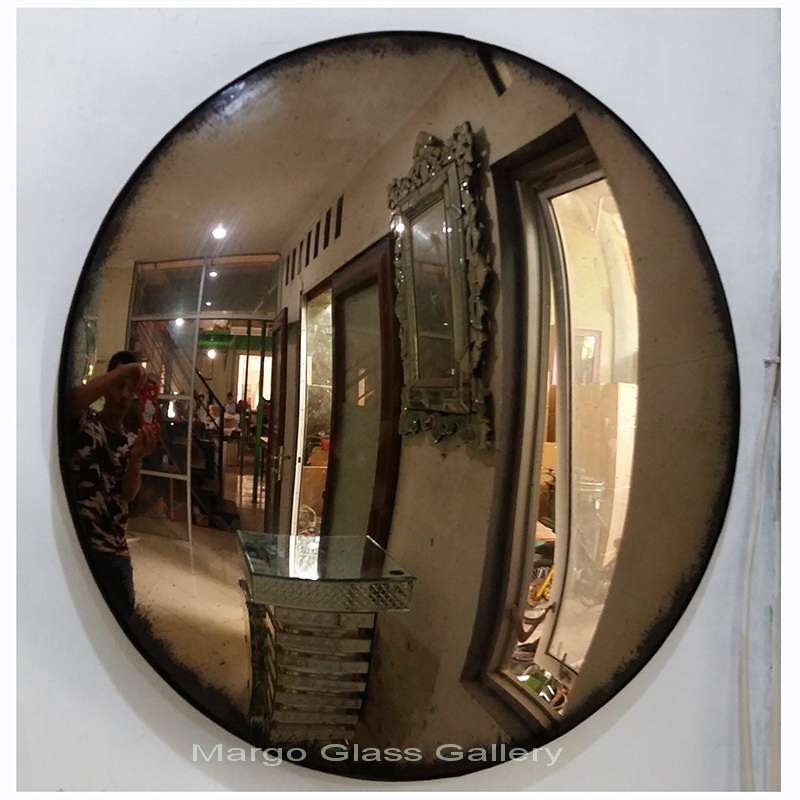
Convex Mirror Brown Antique Vedette MG 050006
A Reflection of Wonder
Convex and concave mirrors are everywhere, from funhouses to high-tech telescopes. They provide entertainment, improve safety, and help scientists explore the universe. Whether making people laugh in a carnival or guiding light through space, convex and concave mirrors show how something simple can have a big impact. As a Concave Mirror Manufacturer, we provide various designs of convex and concave mirrors. You might just see the world in a whole new way with our collections.
By: Febi